Istituto Nazionale di Studi Etruschi ed Italici-Nord America
National Institute of Etruscan and Italic Studies-North America
The North American Section of the Istituto Nazionale di Studi Etruschi ed Italici (INSEI-NA) has the goal of promoting and coordinating excavations, museology, research and publication on the civilization of the Etruscans and other peoples of early ancient Italy. This wing of the international body, comprising the USA and Canada, was established under bylaws approved by the Istituto. The Section enjoys collaboration with several archaeological entities of the USA.
INSEI-NA aims to serve as a vital link between North American scholarship and Italian archaeological heritage. We are dedicated to fostering rigorous academic standards, facilitating international cooperation, and preserving the legacy of Etruscan civilization.
We support North American archaeologists who coordinate and promote major fieldwork projects providing opportunities for researchers to uncover history firsthand.
Scholarly Publications
Our members contribute to prestigious series like Corpus Speculorum Etruscorum, ensuring that vital research and data are documented for future generations.
International Collaboration
We unite universities and scholars across the Atlantic, fostering dialogue and sharing resources to advance the understanding of pre-Roman Italy.
Members
INSEI-NA | Istituto Nazionale di Studi Etruschi ed Italici – North America
Established in 2003 to unite North American scholars with the National Institute in Italy, INSEI-NA is committed to promoting essential archaeological excavations and research. Our foundational mission is to uncover, document, and preserve the complex history of ancient Etruscan and early Italic civilizations, ensuring this vital heritage endures for future generations.
Exploring Scholarly Contributions to Etruscan and Italic Studies
A Legacy of Research and Publication
Our members play a major role in prestigious series like the Corpus Speculorum Etruscorum and Etruscan Cities and Communities, to which American and Canadian scholars have made significant contributions. These works are essential for documenting the excavation and history of pre-Roman Italy.
In addition to these volumes, we highlight the importance of the annual Studi Etruschi, which began publication in 1927. Our resources also provide links to monographic publications and the proceedings of numerous conventions (Atti di Convegni), many of which are freely accessible online for researchers.
Current Excavations of Etruscan and Pre-Roman Sites
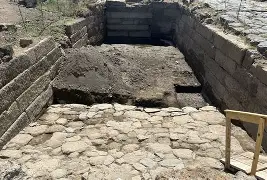
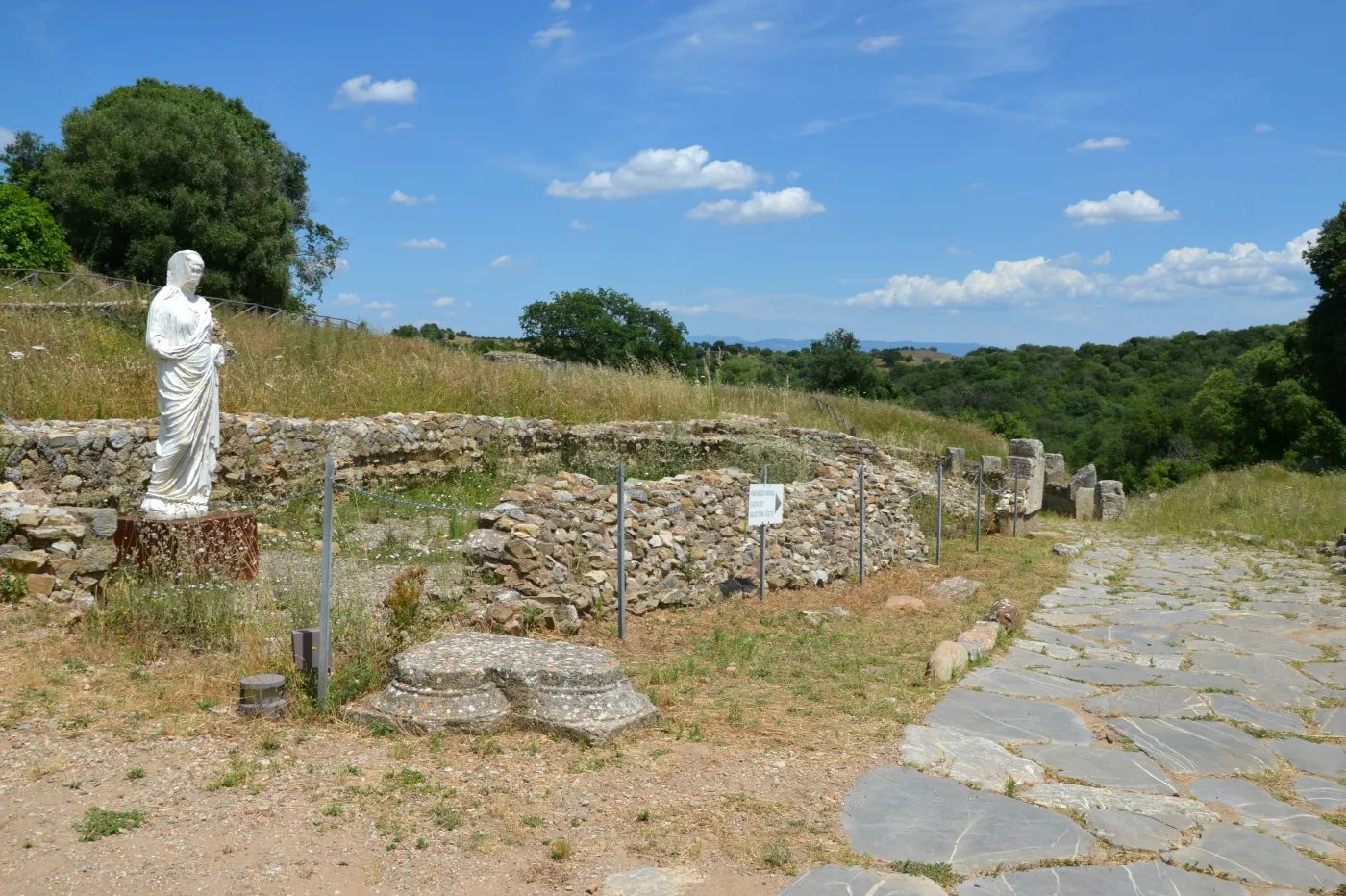
This section provides a brief overview of current excavations by American teams that archaeologists and students may seek to join or visit. Most opportunities are listed in the highly useful Archaeological Fieldwork Opportunities Bulletin (AIA), where further details can be found.
CETAMURA DEL CHIANTI
Florida State University Director: Nancy T. de Grummond Dates: May 8-June 13, 2026 Application Deadline: January 15, 2026 Projects: Etruscan waterworks and sacred area, Roman villa, Medieval castle
University of Missouri Director: Marcello Mogetta Dates: June 7-Kuly 11, 2026 Application Deadline: December 2, 2025 Projects: Pre-Roman, Roman, Late Antique and Early Medieval Periods; cityscape and urbanism; Rome and Latium
University of Buffalo Michigan State University Director: Alessandro Sebastiani and Todd Fenton Dates: June 28-July 25, 2026 Application Deadline: February 28, 2026 Projects: Periods: Etruscan, Roman, Medieval; Concentrate on Late Antique and early Medieval